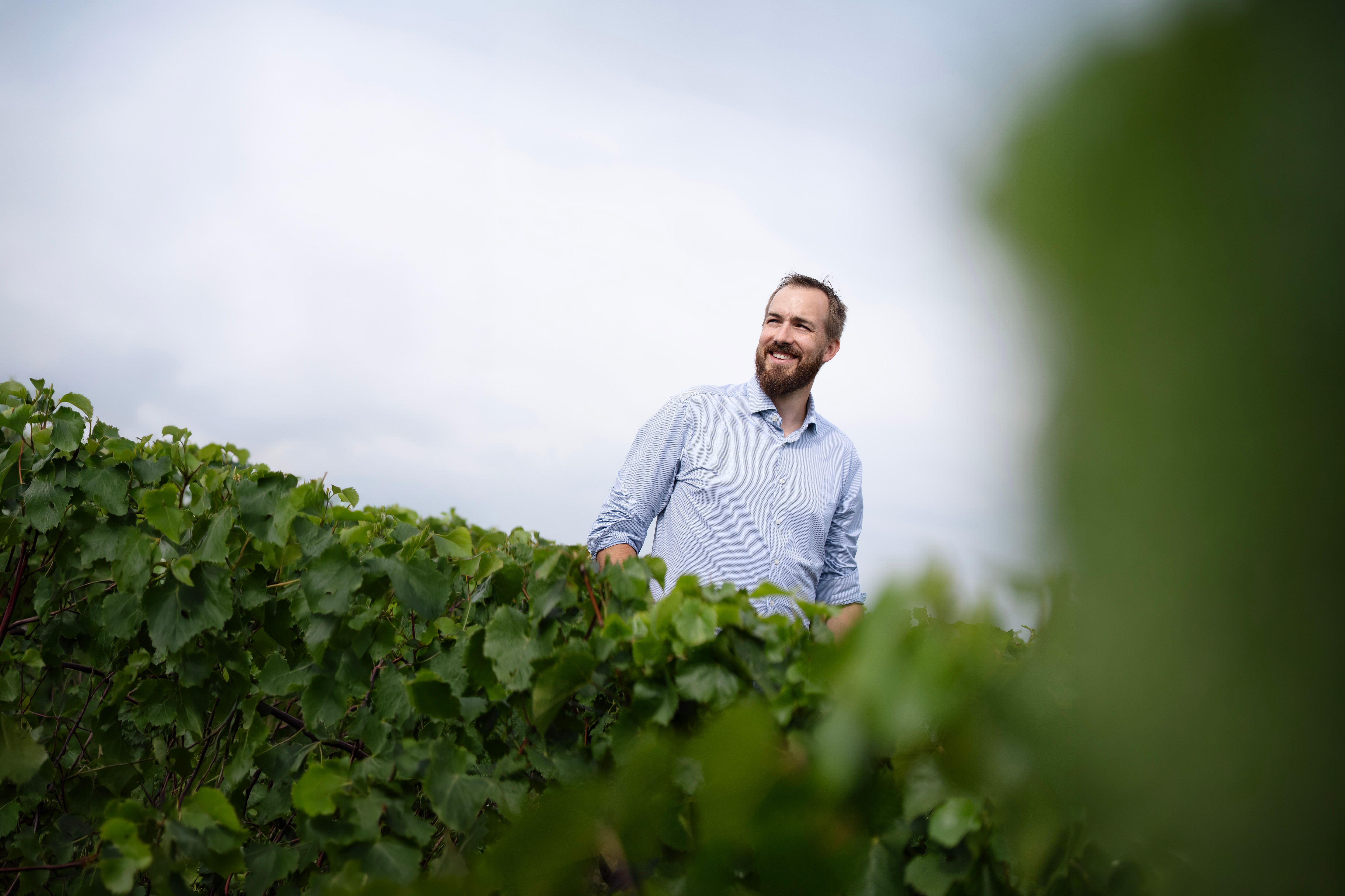
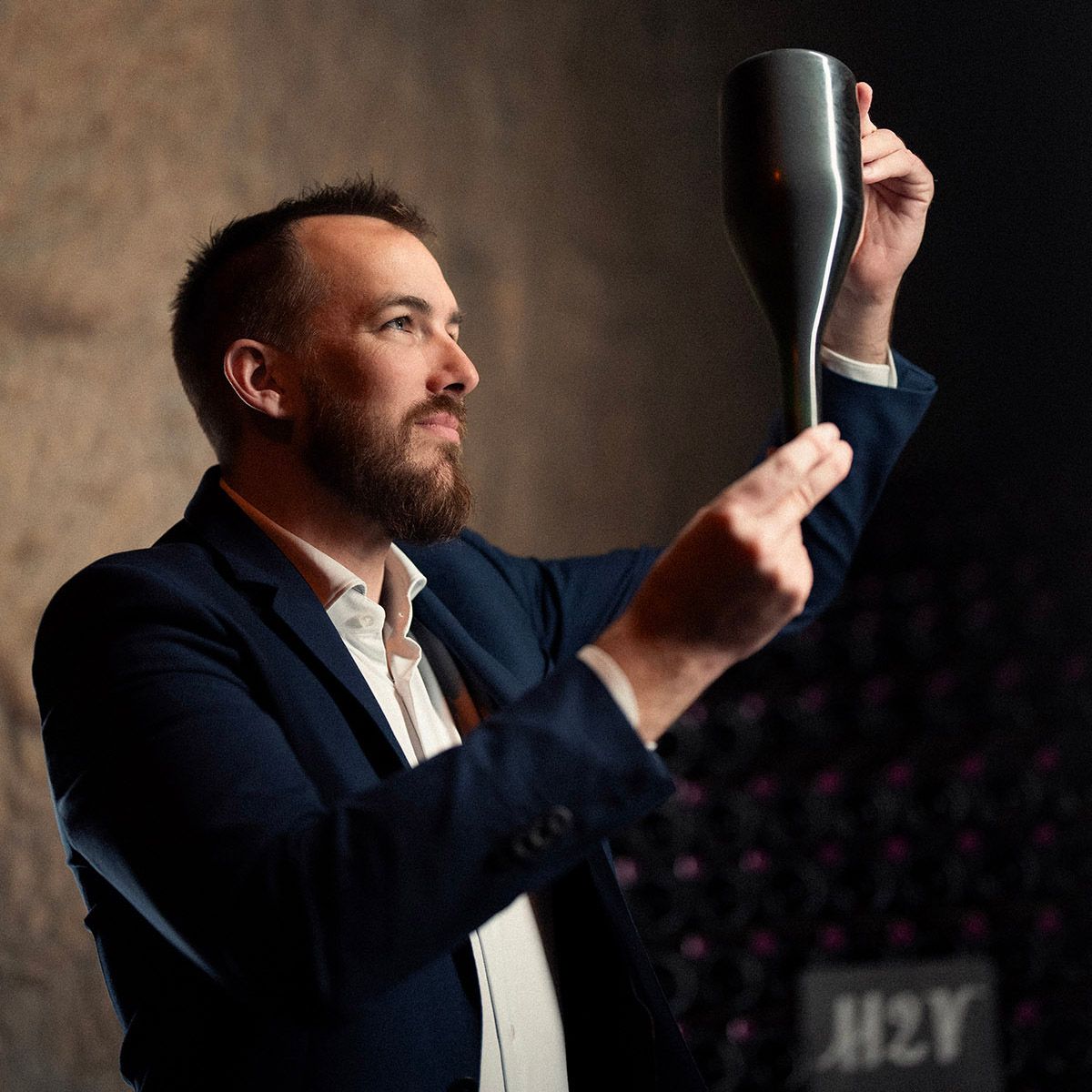
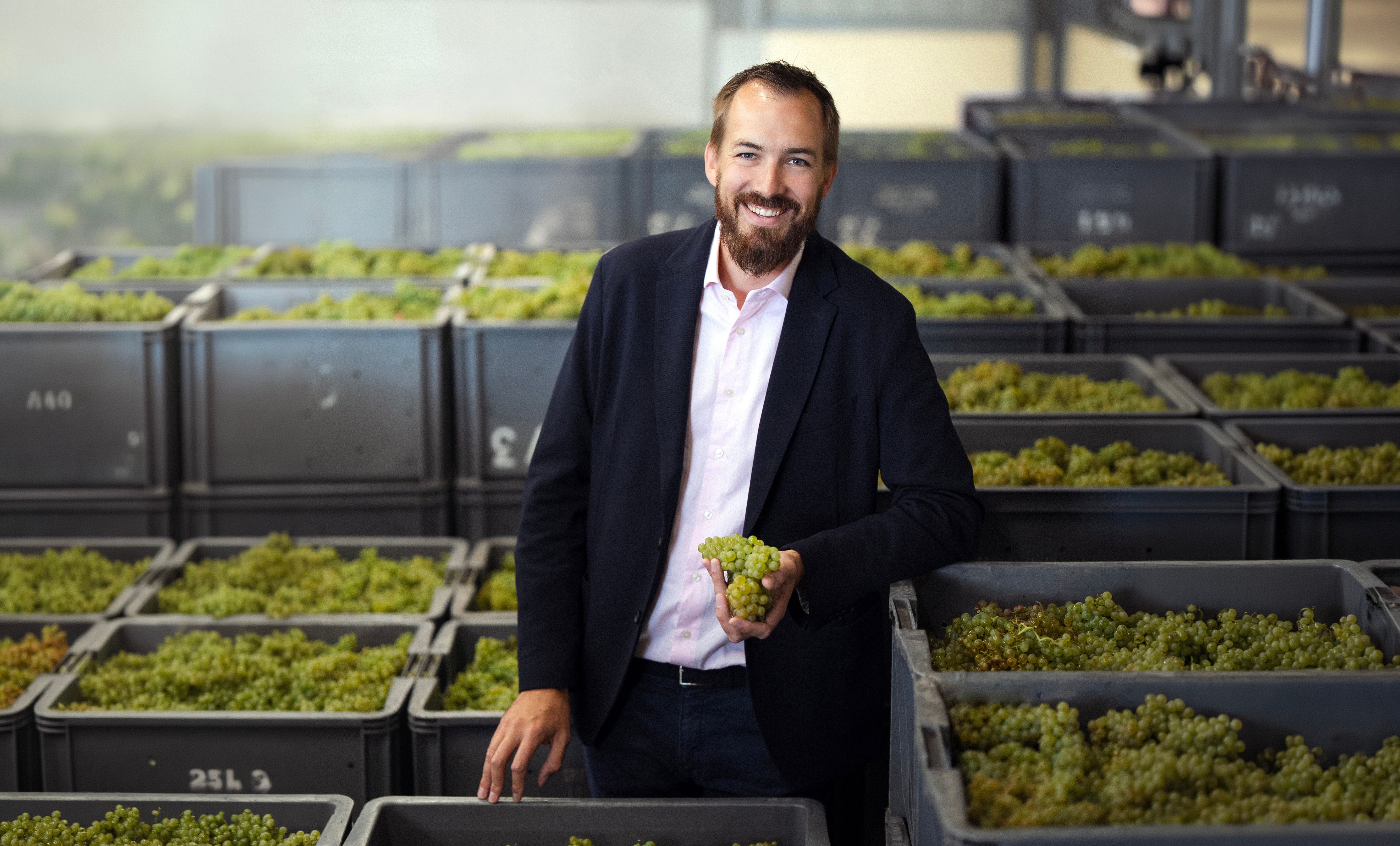
Winemaker Émilien Érard became Charles Heidsieck’s Cellar Master in July 2025 after eight years working with the House. Honing his experience with some of Champagne’s great talents, including Cyril Brun and Elise Losfelt, Émilien is an excellent new addition to Charles Heidsieck’s winemaking legacy. Here we speak with him about this role and how he looks to the future while remaining true to the House’s award-winning style.
For more information about purchasing Charles Heidsieck, please contact your Account Manager. Not yet a customer? Contact Us to discuss opening an account.
Before joining Charles Heidsieck eight years ago, what was your experience in Champagne?
I was born in Champagne. I’m from a small village in Marne Valley called Olizy-Violaine and studied viticulture and oenology at Lycée Viticole in Avize, Côte des Blancs. I also studied biology at university and then achieved a Diplome National d’OEnologue. During my studies, I worked vintages for Champagne Palmer and Billecart-Salmon, with a focus on oak barrel use at Billecart. Then I spent three years as winery manager at a small cooperative near Reims, in Pouillon.
Then, immediately before joining Charles Heidsieck, I worked for Champagne Ayala in Aÿ. I first joined Charles as winery manager in 2018, overseeing the winemaking process for Charles, Piper and Rare. Every year since, I have slowly taken on more responsibilities. For example, from 2021, I began managing our relationships with the vinegrowers partner. This is an important role. We work with many growers and have long-standing relationships with them, some for over 30 years. It is important to us that we continue to keep those relationships strong. The quality of our relationships with growers helps ensure the quality of our wines.
Last June, I took on my new role as Chef de Cave. I am truly proud of that, because for the previous seven years I had worked closely with Cyril and Elise. I learnt a lot from them, and it is important to me that I continue to follow in their footsteps, affirm the Charles style and texture, and continue the legacy of the house.
Was it always your goal to be Chef de Cave?
Becoming Chef de Cave was a dream, but one that I knew would take a long time to achieve. When I started my studies, I thought I would realise that dream when I was much older.
Yet you are a lot younger than most Chefs de Cave in Champagne, much like Émilien Boutillat at Piper and Rare.
Émilien and I started at the company at the same time. I think it shows the outlook of the Houses that they now have two younger Chefs de Cave, but it took time to get here. It is my dream job, but to achieve it, I had to take my career step by step. Though I enjoyed managing grower relationships, I have always wanted to be focused on making wine.
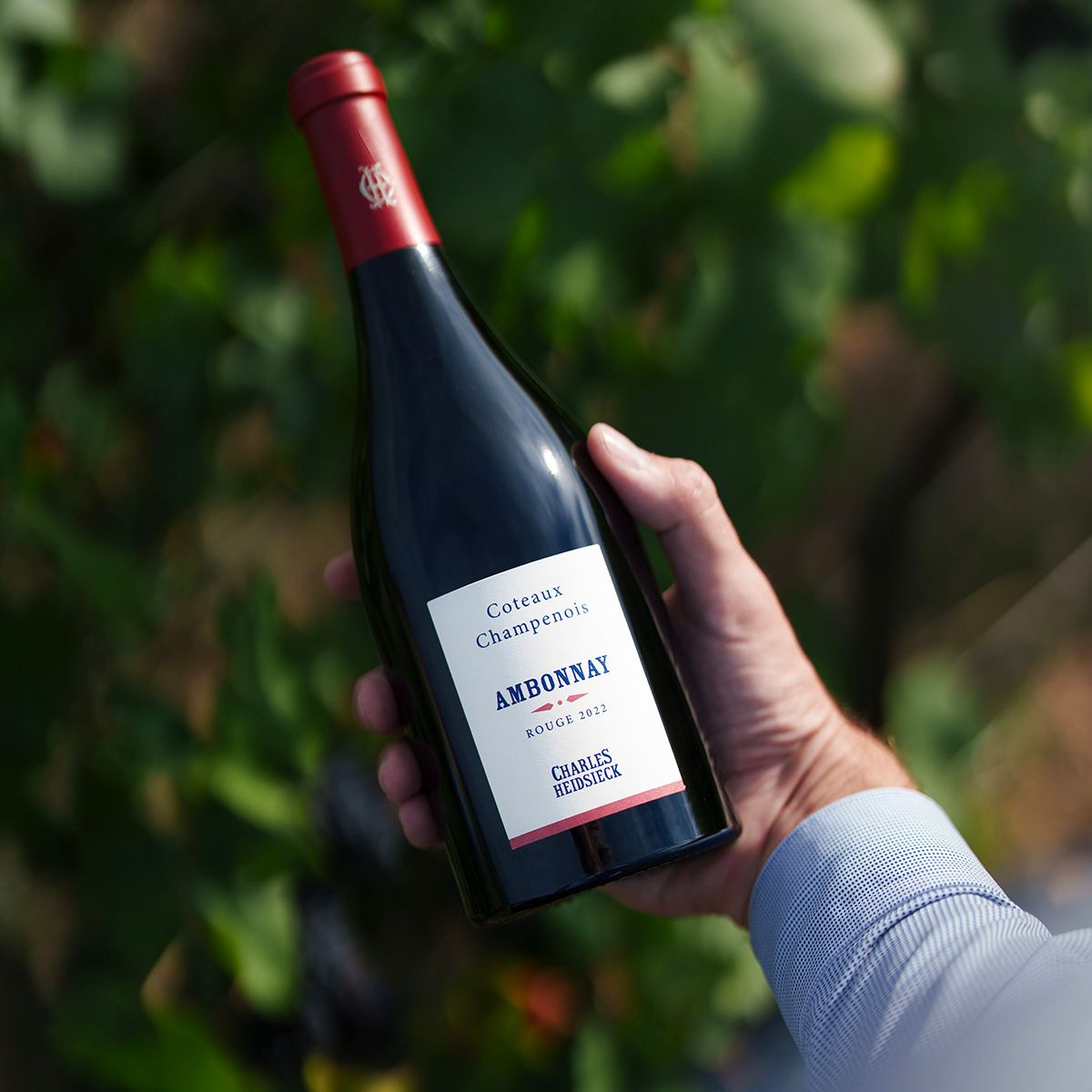
One of the first wines released since you took on the Chef de Cave role is the 2022 Coteaux Champenois Rouge
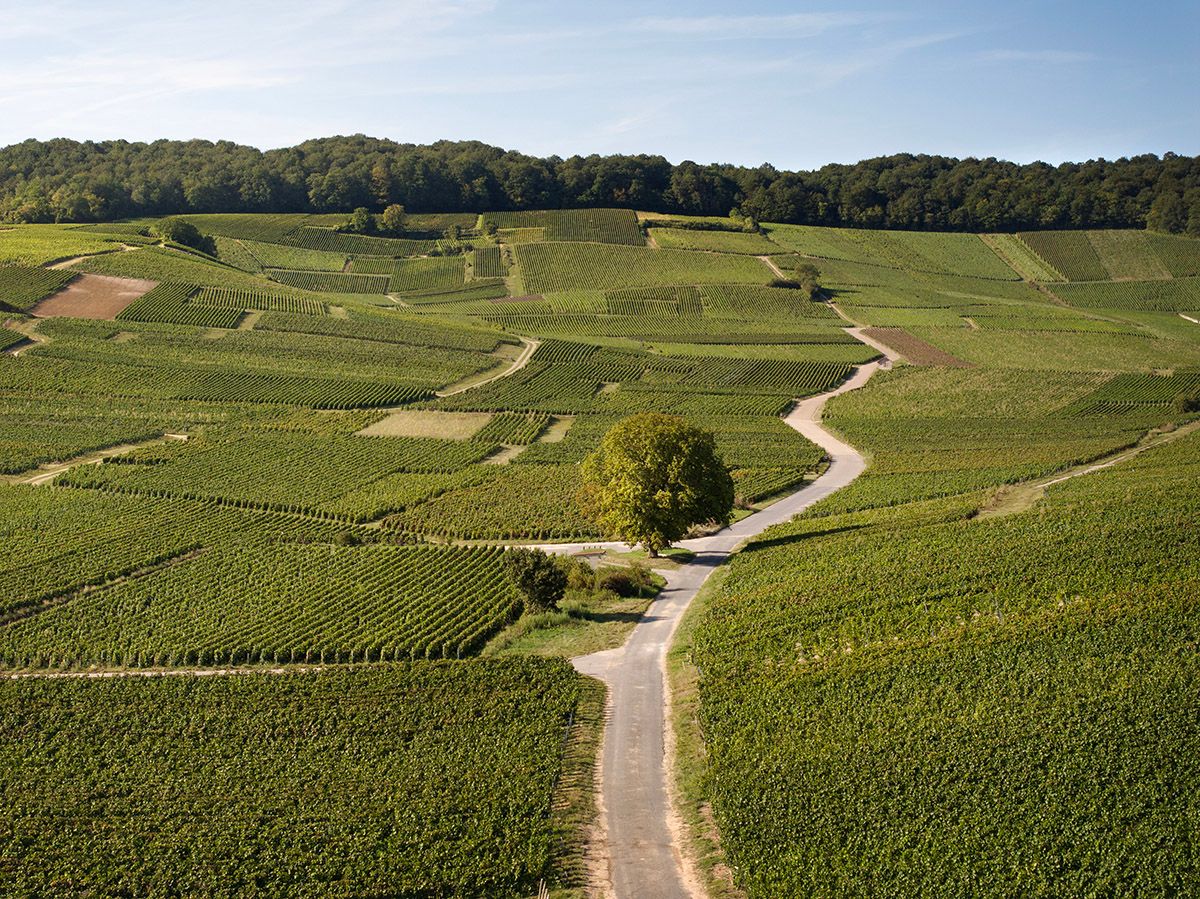
Charles used to make Coteaux Champenois in the past and revived the style ten years ago. Elise spearheaded the 2022 vintage, which we released last year. The Pinot Noir is sourced from the ‘Les Saints-Rémys’ plot within the Ambonnay Grand Cru. We do not make a lot but instead focus on the quality and precision of a single plot. It is gastronomic and expressive of its specific vintage.
When we make Coteaux Champenois, it is because the conditions and quality of the harvest are just right. This was the case in 2022, though we still will not decide whether to release it until after ageing, pre-bottling. We always seek to express the characteristics of the site. It is a different approach from our Champagne, which is defined by blending.
How do you decide which vineyards are used in the Champagne blends?
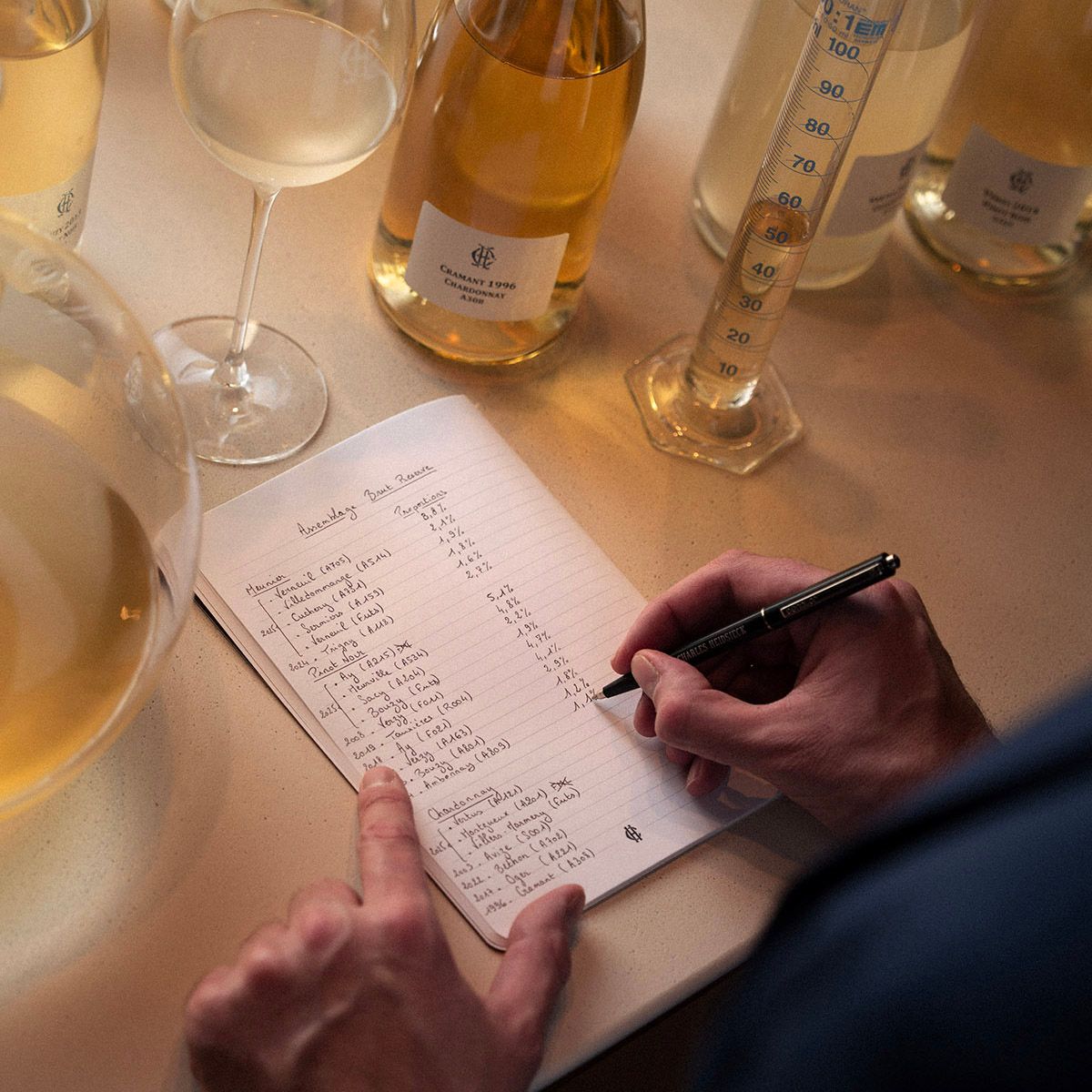
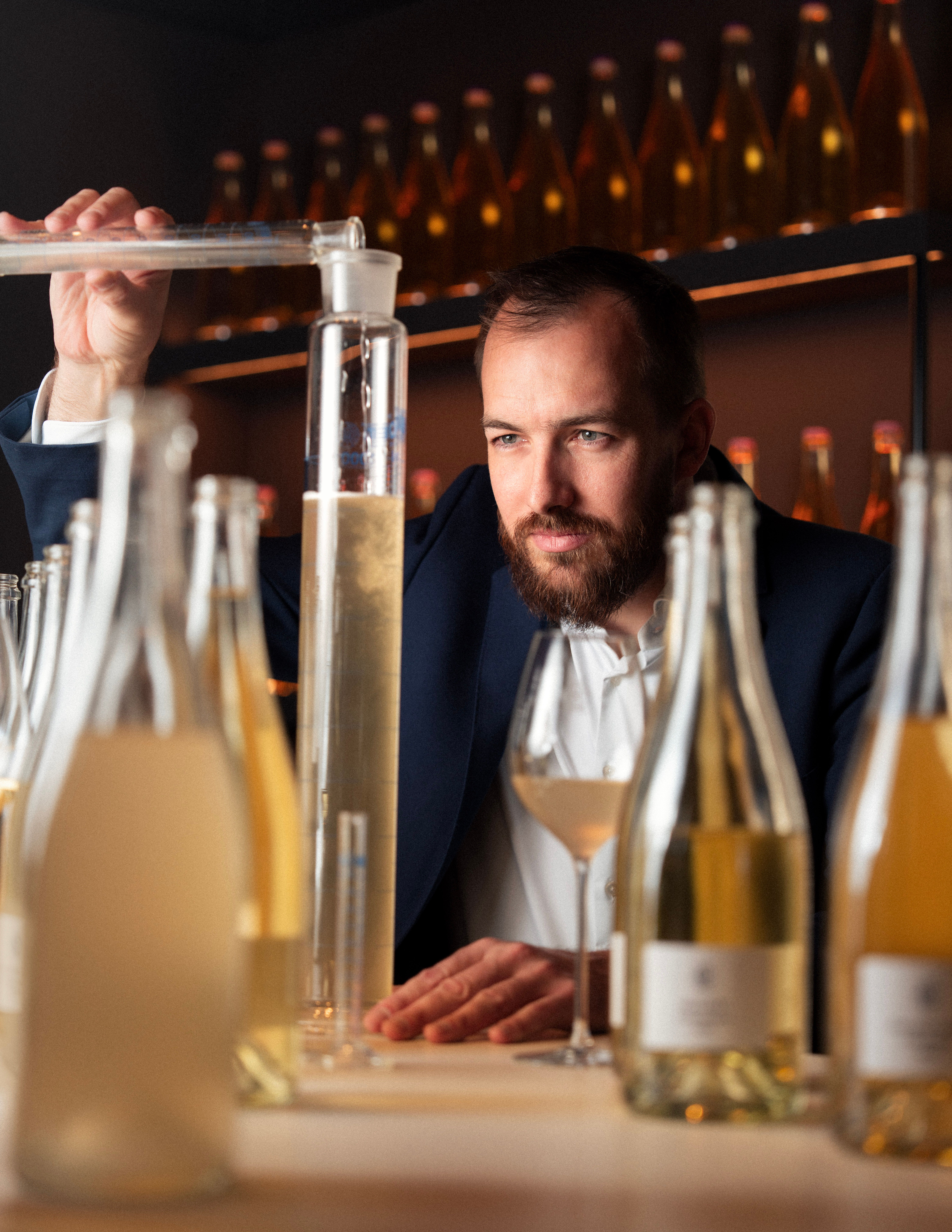
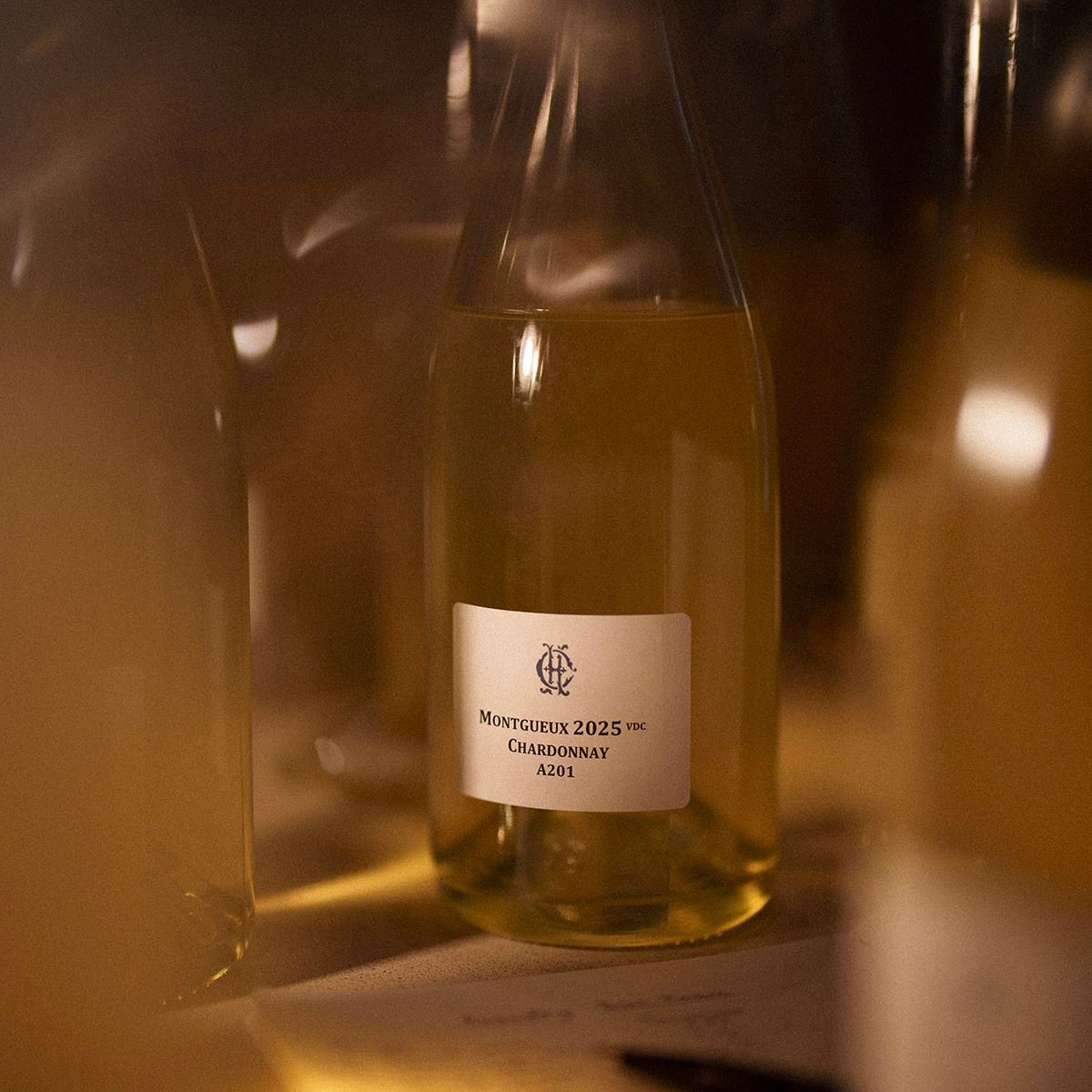
We always work with the same growers every year, but the blend changes depending on taste. To do this, we vinify everything separately and blind taste the base wines as a team, so we are not influenced by external factors like the name or prestige of the Cru. It is not always possible for a Cru to be anonymous, as each has its own identity. For example, a wine from Verzenay is always driven by white fruit. But our tasting determines the blend, and we choose components based on quality and flavour, and how they work together to create a final cohesive style that is distinctive to Charles.
Do you have a favourite wine from the current release?
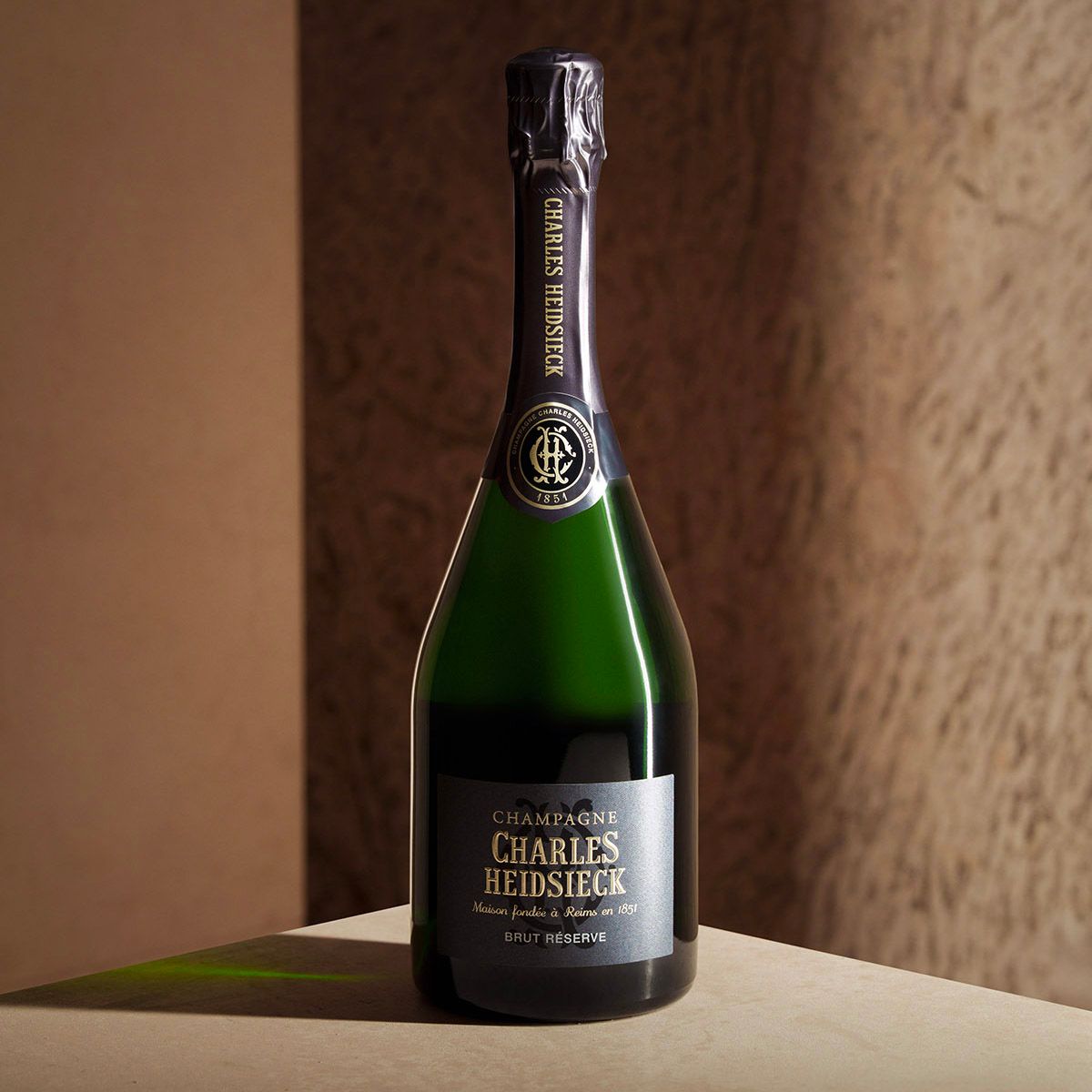
I always have a different answer to this question, because for me it depends on the moment in the year, or a moment in the wine’s journey. For example, during spring I prefer Blanc des Blancs, in summer I enjoy the Rosé, and in winter I drink Brut Réserve.
But the 2018 vintage is very important to me. It was the year of my first harvest at Charles, but more importantly, it was the year my wife’s son was born. It is his birth vintage and my first vintage, so I have a lot of the 2018 in my personal cellar. It drinks well now, but it also has excellent ageing potential.
Having just finished your first harvest as Charles' Chef de Cave, is there anything you are now particularly excited about in this role?
The 2025 harvest will always be special for me, but it is not as though I am arriving at a new house. I have worked here for eight years and spent a lot of time with Cyril and Elise throughout the winemaking process, through to blending and tasting.
We have seven other oenologists in the company, and I am excited to continue working with all of them. Teamwork is important. Some people in our team have worked for Charles for 40 years, some for 30, some for 10, and some for just two, and everyone brings valuable insight. There is a diversity of experience and taste that complements itself well.
I am lucky that 2025 was also a very good vintage, which helped in taking on this big responsibility. It is a challenge, but a good one, and a positive one.
What do you think determines Charles' style?
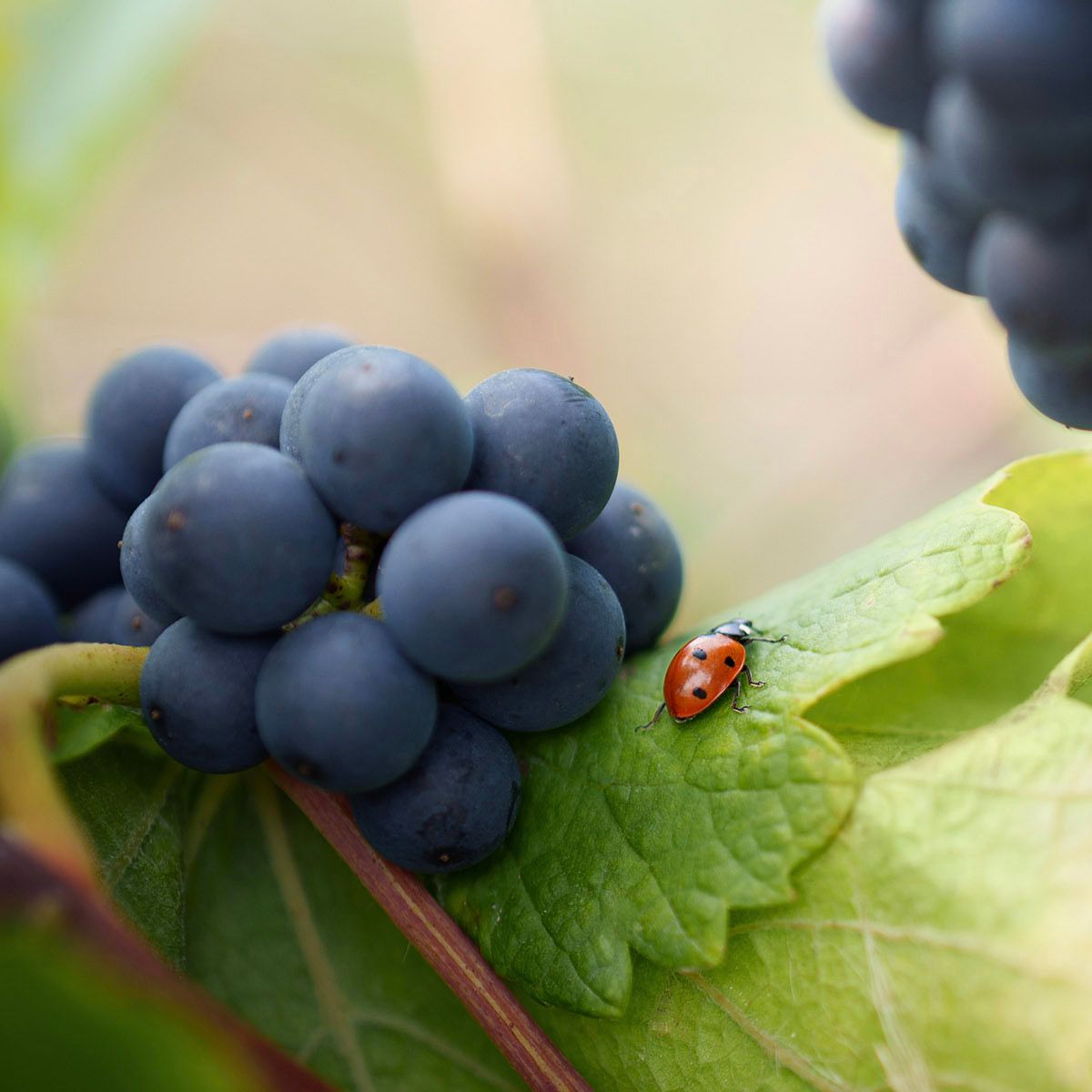
The vineyards, the blending, the reserve wines, the Crayères, it is a combination of these and more. The vineyards are fundamental. As I said before, our grower relationships are crucial, and having consistent access to great sites in top villages is essential to our style.
Yet perhaps the most important element is the diversity of our reserve wines, maybe one of the greatest in Champagne, not in quantity, but in the range of options it gives us. Each vintage is different, with different weather, different yields and different balances between sugar and acidity. The reserve wines allow us to maintain the same signature style for Brut Réserve, Rosé Réserve and Blanc des Blancs, but using different ingredients.
Our reserve wines are separated by year, village and grape variety. Each brings something different to the blend, confirming the signature, adding texture or generosity, and creating cohesion. Oak is important too. We have around 550 oak barrels and use oak-fermented base wines in our non-vintage blends. This varies by cuvée, around 10% to 12% for Brut Réserve, 10% for Rosé and 15% for Blanc des Blancs.
The reserve wines we use can also be very old. For example, the current base vintage is 2019, and about 1%t of the reserve blend comes from 1996. We also use these reserve wines in Champagne Charlie, which shows how important these older wines are and how we prioritise quality across all our Champagnes. The final key element is time. Ageing in our Crayères is essential to affirming the Charles style, giving the wines their roundness and generosity, from Brut Réserve through to the vintage wines.
For more information about purchasing Charles Heidsieck, please contact your Account Manager. Not yet a customer? Contact Us to discuss opening an account.